 Space Hub
Mars MissionsMay 9, 2026Veerexa Space Editorial
Mars Exploration: The Legacy of Mangalyaan (MOM)
Discover how India designed and executed the Mars Orbiter Mission on a shoestring budget, establishing itself as a premier interplanetary space agency.
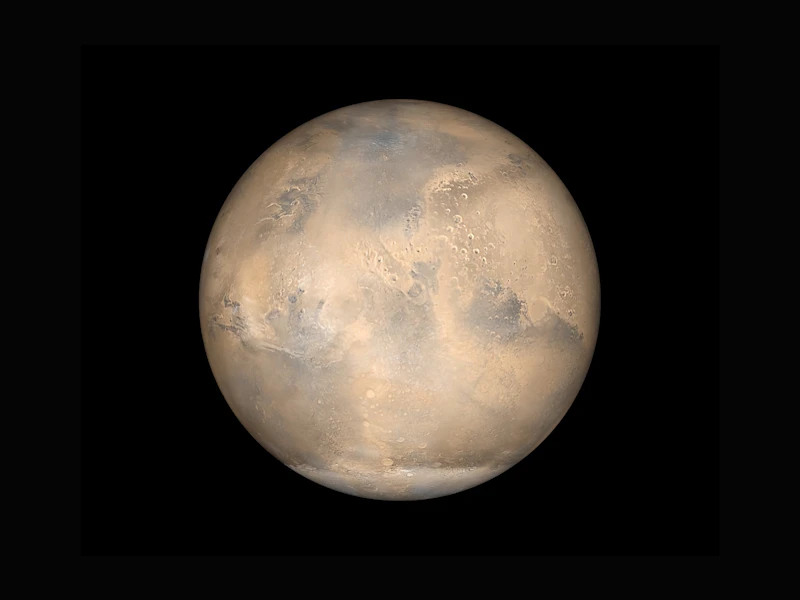
# Mangalyaan: How India Reached Mars on Its First Attempt
The **Mars Orbiter Mission (MOM)**, also known as **Mangalyaan**, was India's first interplanetary mission. Launched in 2013, it catapulted ISRO into an elite group of space agencies capable of navigating deep space.
---
## 1. The Slingshot Trajectory
Since India did not have its heavy LVM3 launcher fully certified in 2013, ISRO launched Mangalyaan using the smaller PSLV-XL.
- **Gravity Assists:** Instead of launching directly towards Mars, the spacecraft was put in a highly elliptical Earth orbit. It performed a series of carefully timed thruster burns, using **Earth's gravity** to slingshot itself towards the Red Planet with minimal fuel consumption.
---
## 2. Frugal Cost Structure
Mangalyaan cost ₹450 Crore (approx. **$74 Million**). By comparison:
- NASA's MAVEN Mars mission cost over **$670 Million**.
- The Hollywood movie *Interstellar* cost **$165 Million** to make.
ISRO achieved this via short development schedules, indigenous sub-assemblies, and limiting hardware testing cycles to highly precise computer simulations.
---
## 3. Key Scientific Instruments
- **Methane Sensor for Mars (MSM):** Aimed to map and track methane patterns to study geological/biological sources.
- **Mars Color Camera (MCC):** Relayed spectacular full-globe, high-definition visual photographs of Martian sand storms, canyons, and its moons Phobos and Deimos.